creating places that become pilgrimage

People book holidays looking for transformation. Most holiday properties sell accommodation. The gap between those two things is where Design for Return works.

a new era of travel
The holiday and retreat sector is in the middle of a significant repricing - and the properties pulling away are the ones where design, identity and commercial strategy were built together from the start, not bolted on afterwards.
CHANGE IS INEVITABLE. GROWTH IS OPTIONAL
What's coming will reward the distinctive and leave the generic behind.
A new era of travel is emerging: the new luxury of meaning.
For three decades, luxury meant extravagance: thread counts, infinity pools, frictionless expense, somewhere seamless and removed from ordinary life. That guest still exists, but a different one is growing faster: someone seeking a more concentrated version of life. Slower, more physical, rooted in a specific place and its specific history. They want to drink what comes from here, swim in the water that defines this coastline, understand how people have lived on this land. They want to try on a life they don't normally have access to.
These are meaning seekers, and what they want is a guide: someone or something able to explain why a place is the way it is, the reason a headland carries the name it does, the point in a valley's history when everything changed. Context turns a view into a story, and a story is what these guests are paying for.
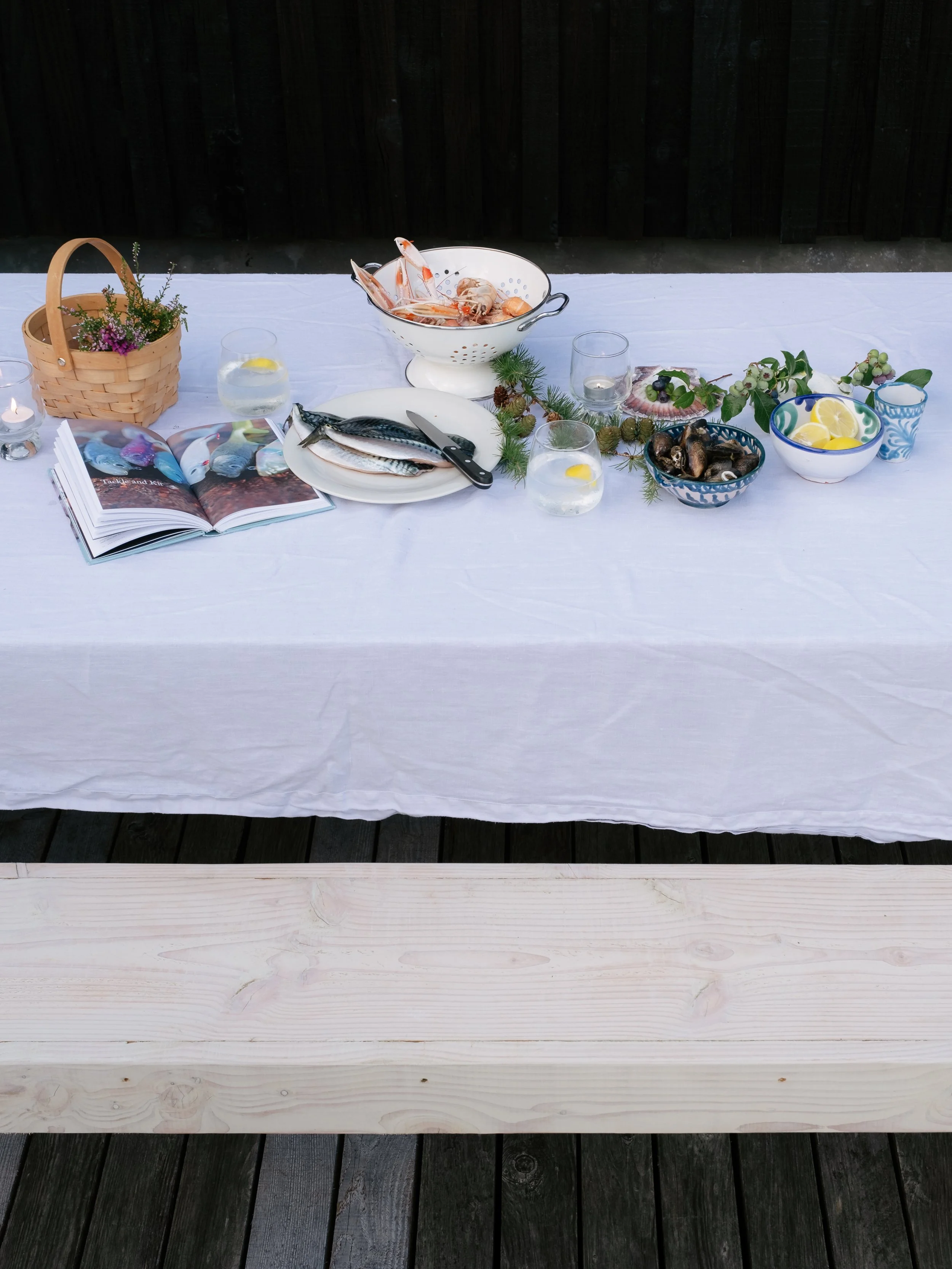
This is the same instinct behind the wellness movement, underneath the spa treatments and linen robes: connection-seeking, to landscape, to making, to the daily rituals urban life has quietly removed. Cold water. Foraged food. The particular silence of one valley. None of it franchises, because it belongs to one place and nowhere else.
It's also serious money: the global wellness economy is now valued at $6.8 trillion and forecast to reach $9.8 trillion by 2029, and cultural tourism accounts for roughly 40% of international tourism spend. Wellness and culture aren't niche interests anymore. They're two of the fastest-growing forces in travel.
The independent operator in a distinctive landscape is structurally better placed to serve this guest than any hotel group. The hotel group can replicate the room. It cannot replicate the reason the room is there.
None of this requires scale.
The independent operator, a single property, a handful of cottages, a farm with outbuildings, is not at a disadvantage here. Direct knowledge of a place and its landscape, and a direct relationship with guests, is something no hotel group can manufacture at scale. What's required is not size. It's clarity: about what you are offering, who it's for, and how to make sure the right people find it.
Design for Return is built on a simple but rarely applied principle: that interiors, brand, commercial strategy and discoverability are not separate disciplines. They are the same decision. Treating them that way from the beginning is what separates the properties pulling away from the ones being left behind.
Sell an experience rather than a bed for the night, and price stops being capped by square footage. You move into the market for branded experiences, where price per night reflects what a place means, not just its size.
A clear point of view also brings in the artists, brands and agents who amplify what's genuinely particular about a place.
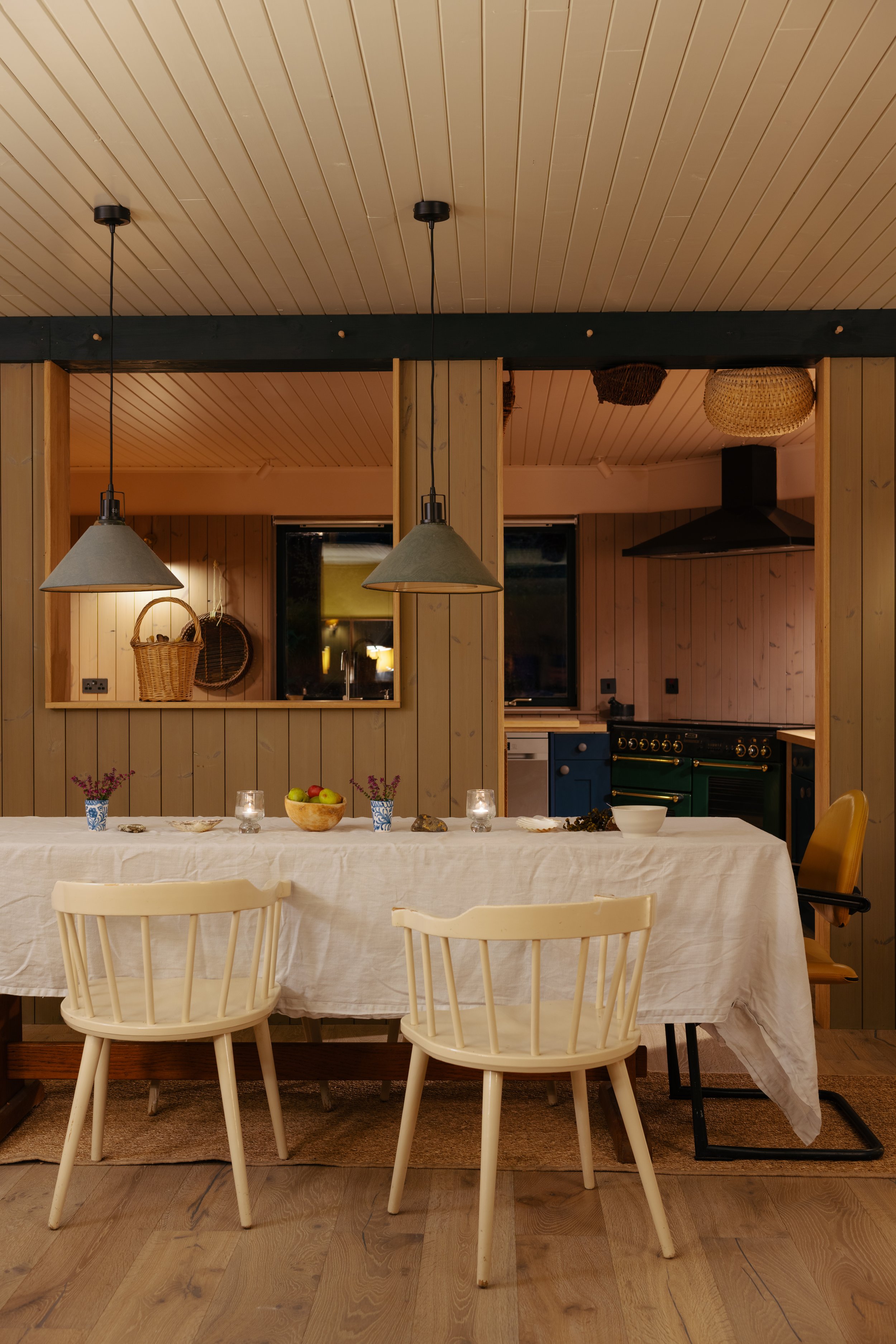
borradill, west coast scotland
OUR PROOF
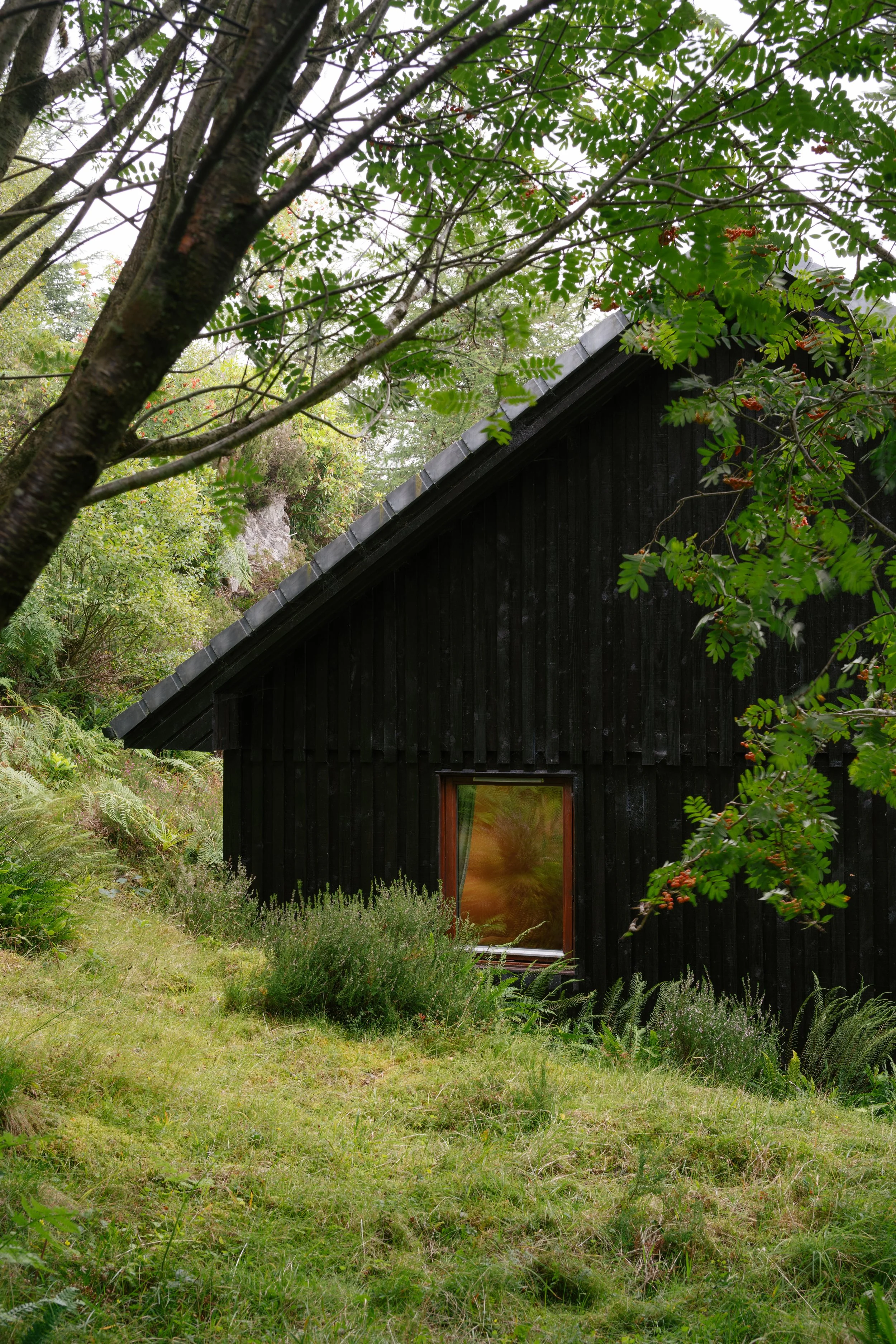
The landscape was extraordinary. The commercial performance wasn't.
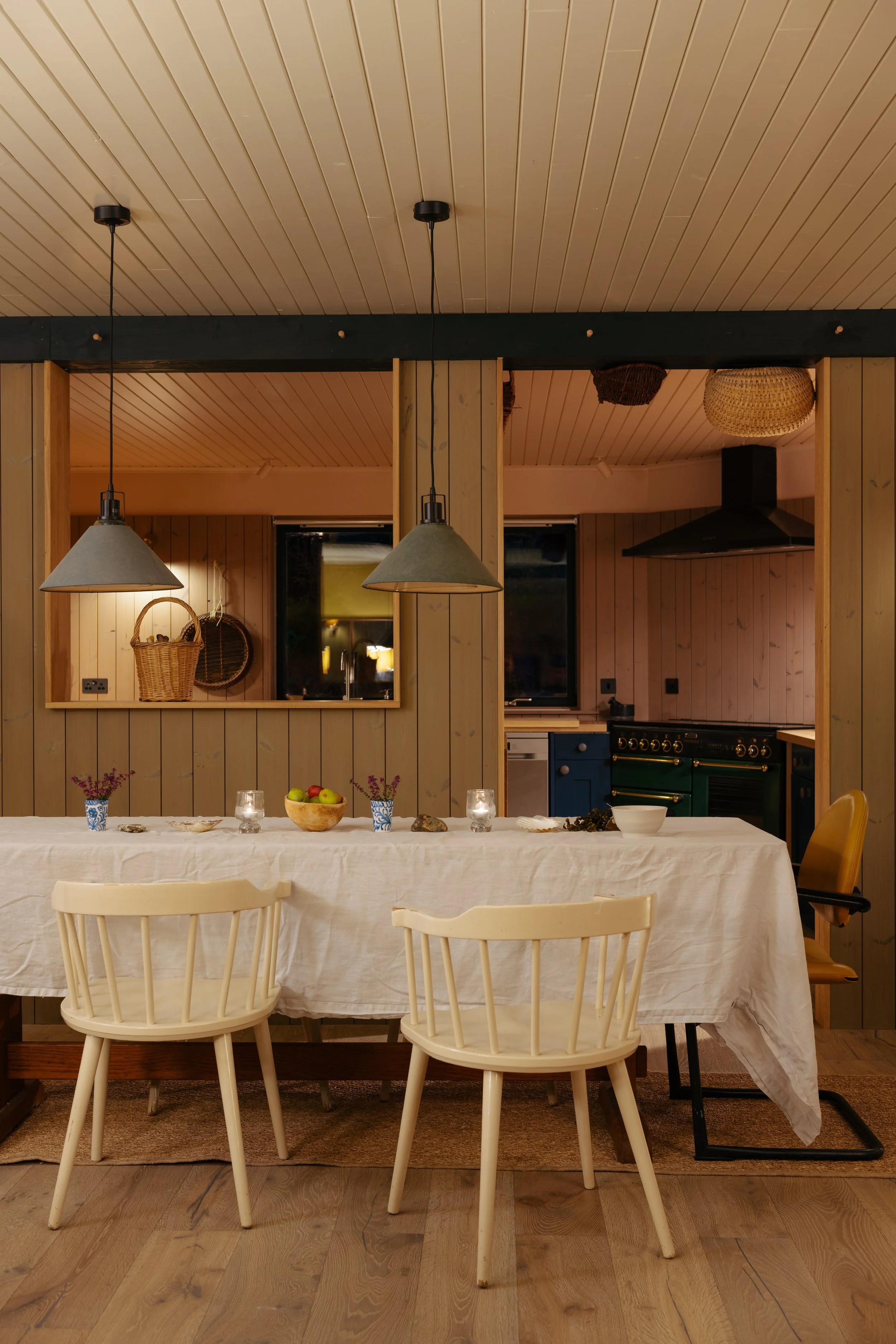
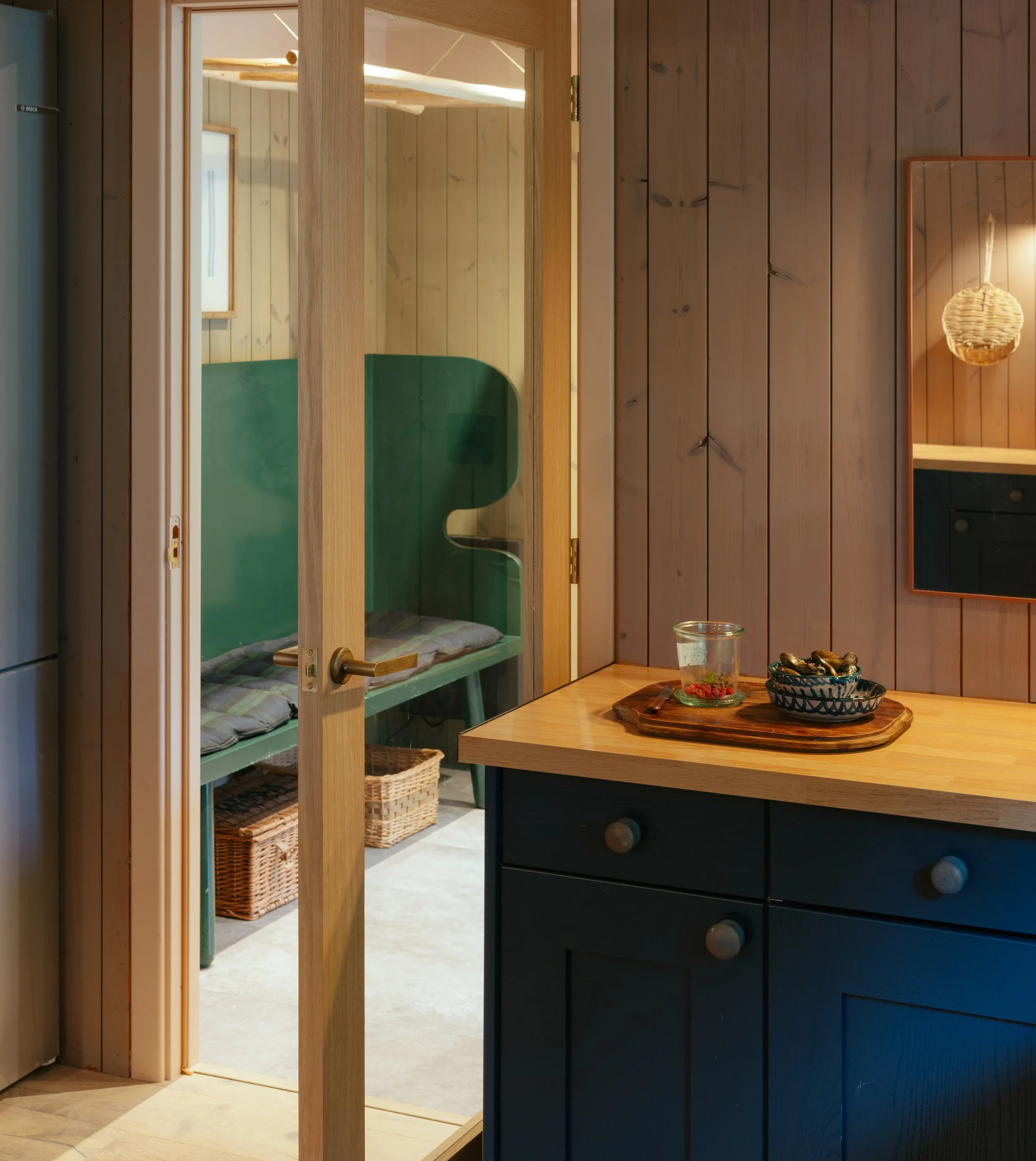
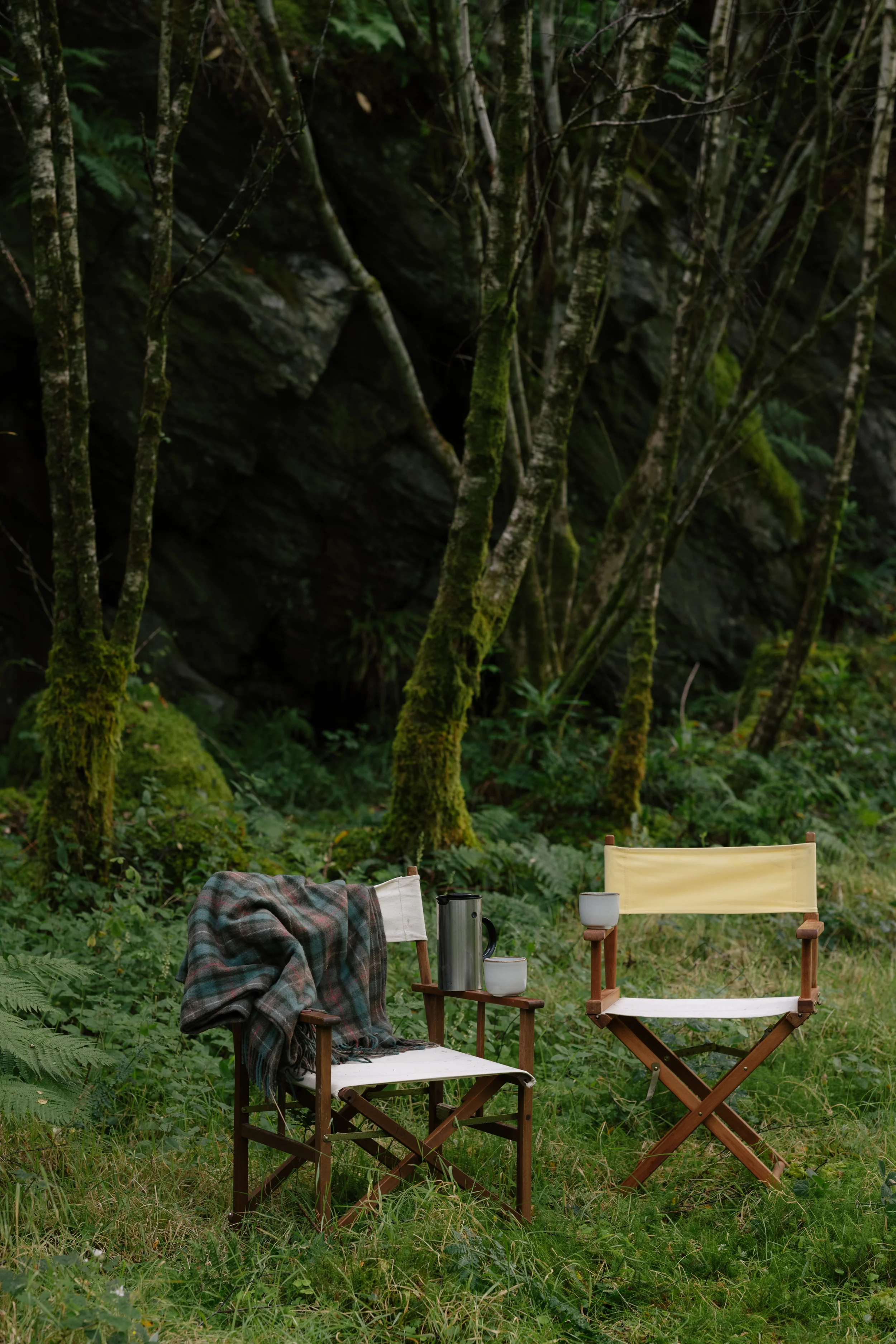
Applying the Design for Return framework we worked across all five lenses simultaneously — identity, commercial configuration, guest experience, materiality and storytelling. New interiors, a clear point of view, a visual world and a narrative strong enough to travel. No external PR. No paid media. The work sold the place directly.
Within the first year: occupancy moved from 30% to 72%. Weekly rates increased by 120%. 65% direct bookings.
Borradill was named in the Financial Times top 40 places to holiday in 2025, and featured in The Times, The Telegraph, The Guardian, Homes & Interiors.
The methodology is the same one we bring to every project.
Within the first year: occupancy moved from 30% to 72%. Weekly rates increased by 120%. 65% direct bookings.







OUR OFFER
The DFR. Audit
The audit is an assessment of a holiday-let portfolio or property using the Design for Return method - and delivers a clear, honest diagnosis of its physical, creative and marketing potential and ‘fit’ in the current, and near future booking commercial landscape.
who is it for?
The RightMovers.
The due diligence tool. Aspiring buyers who have a specific property in their sights and want a methodical assessment before they commit — not just gut feel, but a structured view of commercial viability, design potential and market fit.
The Diversifiers.
A feasibility read. Estates, farms and landowners at the point of asking 'what could this become?' — who want rigorous commercial thinking alongside design and market instinct, not just a technical feasibility report.
The Growers.
A performance review. Second home owners entering the commercial market for the first time, and existing owners and investors who sense their property is worth more than the returns it's generating. An independent, experienced eye to tell them what to change and where to invest.
what's included
The audit scores your property against the five lenses: identity, commercial configuration, guest experience, materiality and storytelling. It is the same method used in the full programme, applied here as diagnosis rather than design. You get the score, the reasoning behind each one and what it points to next. You do not get the redesign itself. That is the programme below.
-
Where your property currently sits on each of the five lenses, with the evidence behind each score. This is the document everything else in the audit feeds into, and the one you could hand to an architect, a designer or a letting agent to brief them properly instead of explaining it twice.
-
A structured read of your property's genuine strengths: the physical, locational and experiential qualities that are actually distinctive, mapped against the guest behaviours and booking trends driving growth in your market right now. You leave knowing what you have and which parts of it are commercially valuable.
-
A framework for reading your own guest data: who is booking, what they are responding to, where the growth is coming from. You learn how to find the patterns yourself, identify underserved audiences and extend your reach without changing what the property fundamentally is.
-
A method for choosing the right comparisons: properties similar to yours in geography, offer and season, so you can see what a realistic daily rate and occupancy actually look like. Not industry averages. The actual size of the gap between where you are and where you could be.
-
An assessment of your current web presence, technology stack and booking infrastructure, set against what your specific property needs. Most owners are either paying for capability they don't use or missing capability that would pay for itself within a season. This lens also covers what AI-driven discovery means for a property your size, in your market, right now. You leave knowing exactly which tools to use, which to drop, and where the gap between platform dependency and direct bookings sits for your numbers.
Audits start at £1500 GBP.
The audit gives you the score, the method and the reasoning. Most owners can act on parts of it themselves. What it doesn't give you is Claire's eye applied directly to your specific rooms, your specific guests and your specific numbers. That's what the programme is for.
Find out about the full programme →
THE DFR. programme
OUR OFFER
Claire leads this herself. Three months, working across all five lenses on one property or small portfolio, with an implementation roadmap and the materials ready to act on.
Programme starts at £5000 GBP, over three months.
what you get
-
What your place actually is, stated clearly enough that a guest could repeat it to a friend. Claire defines the point of view and the offer it sits inside: room configuration, the iconic moments, what gets photographed and why.
-
A rate strategy and booking plan built from your own data, not seasonal averages. Covers shoulder season tactics, the technology stack, the search terms connecting the right guests to the right property, and how pricing should move as occupancy improves.
-
The sequence of a stay, mapped from the first image in the listing to the moment a guest leaves, with the gaps closed and a written operational guide for running it day to day.
-
Interior and styling designs rooted in the property's own landscape and history, plus the supplier list to build it: who to call, what it costs, where to find it.
-
The website, the listing copy and the photography direction built to tell one coherent story across every channel, designed to reduce dependency on booking platforms over time.
All five are sequenced into one roadmap, costed and timed in order. It's one job, not five separate ones.
the 5 lenses
Guest Experience
Guests are buying experiences, not beds for the night. The guest experience is not a list of amenities. It is the cumulative feeling of a stay: the sequence of small encounters between a person and a place, each one either reinforcing or eroding the story the property is trying to tell. It includes access to local experiences — delivered by other operators, but curated and presented to align with the property's own identity.
The full arc is assessed — from the first image in a listing to the moment guests leave — gaps identified, and what closing them is worth established. The most valuable interventions are rarely the most expensive. They are usually the most considered.
Materiality
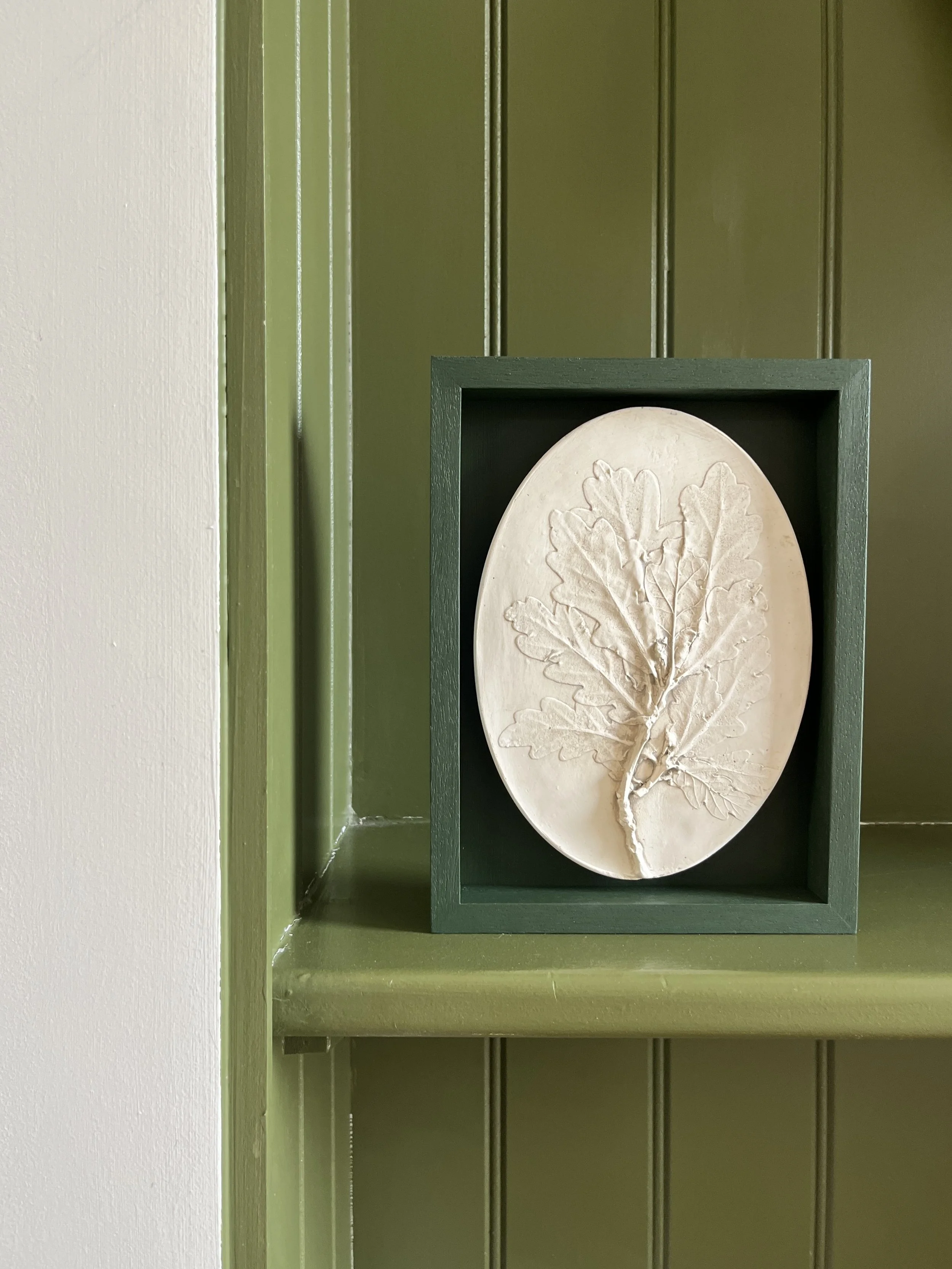
Do the materials, palette, and objects feel rooted in place — or imported and disposable? A place furnished from a catalogue, however well-chosen the pieces, does not feel inevitable. A place built from materials that belong to its landscape and history does.
Materiality is not about expense. It is about intention — the difference between a decision and a purchase. Getting it right is the most reliable way to create the feeling that a property could not exist anywhere else.
Storytelling
Does the listing, website, and social presence do justice to the physical reality? A place can be extraordinary and invisible. The story it tells about itself determines who finds it, who books it, what they pay, and whether they return.
This lens assesses not just the quality of the content but its coherence — whether images, language, and channels are all telling the same story to the right people. A narrative strong enough to travel independently of the algorithm is one of the most durable commercial assets a hospitality property can have.
Identity
Does the place have a clear, own-able point of view? Not a mood board — a genuine character, specific enough to be recognisable and coherent enough to sustain across every touchpoint: from listing to arrival to what guests do whilst they're there. Most holiday lets have aesthetics without identity: things that look nice in photographs but don't add up to anything a guest could describe to a friend. A clear POV is critical to escaping the tyranny of the booking platforms and building a discoverable and defensible SEO and AEO online.
Identity is the foundation on which everything else is built. It shapes how a property connects to its landscape, its locality, and the guests seeking that kind of experience. It also determines how discoverable the property is to the AI travel planning tools that increasingly surface results based on specificity and geography.
Commercial Configuration
Is the property configured to perform across the full year? This lens looks at the commercial architecture: market positioning, rate integrity, shoulder season performance, and whether the physical configuration — units, shared space, cluster potential — is being used to its advantage.
Design and commercial strategy are not separate disciplines in this method. The decisions that shape a space also shape a revenue model. Getting them right together from the beginning compounds quickly — including the technology stack, SEO, and the search terms that connect the right guests to the right property.
OUR OFFER
dfr. on retainer
Claire has capacity to work with a few larger portfolio and business clients every year who are looking for this approach to be delivered against their places and business.
For operators, portfolios or estates looking to build or turn around a holiday-let offering but lack the in-house design and strategy skills and don’t want to hire multiple agencies - Claire is able to offer strategy, creative direction and access to her network of creatives to design and build new offerings.

the top 10 reasons to reposition your holiday portfolio
WHY INVEST
The rules of the game have changed
The ground has shifted under this business. Tax treatment that used to favour holiday lets over standard rentals has gone. Regulation is tightening across the UK, at different speeds in different places, but tightening everywhere. None of that means this stops being a good investment. It means the old maths doesn't work anymore. A holiday let now has to turn over more to be worth running, and prices need to rise year on year, not stay flat and hope the location carries it. The game has changed. Design for Return is how you play the one you're actually in, not the one that closed.
The market has split into "specific and found" versus "generic and invisible.
The commodity middle is disappearing; distinctive small operators and branded/managed chains are pulling ahead, leaving vague, undifferentiated properties stuck. Guests are searching for meaning, & your place probably already has it in droves, it’s just not being communicated clearly.
Goodbye Bland
Because design is what creates alignment between story, discoverability and brand. Get that alignment right, and it opens doors: partnerships worth having, and the audiences who'll actually love your place, rather than whichever guest happens to find it. Design done properly filters for fit. It doesn't just attract more people, it attracts the right people, the ones who'll pay for what makes your place distinctive rather than negotiate you down to the price of a generic room.
Unique, characterful UK stays outperforming standard stays by 20-30% in revenue. This ranges from Treehouses to architecturally interesting cabins to interior designed cottages.
Design decides who walks through your door
Properties in special landscapes, with long histories and human stories have much to create a special visitor experience. By articulating your uniqunesss across design, brand, guest experience online and offline you build a moat. A point of view unique to your place attracting aligned collaborators and brands who reinforce your position both offline and online.
A hotel group can replicate a look - they cannot replicate the deep history of a special place.
Guests are increasingly buying transformation, not accommodation
People are actively seeking places with a genuine story — rooted in landscape, material and history, resistant to being anywhere else. The holiday itself is changing: from passive escape to active return. To landscape, making, physical effort, analogue slowness that accumulates into something real. The places built for those impulses are outperforming the market.
No longer a passive asset
Operational tech is making running a service business easier all the time. The holiday let market is no longer a passive asset class. It has become a service business, and like every service business, the returns now flow to operators who understand precisely what they are offering and who they are offering it to.
There is new technology coming online constantly, tools that promise to make the admin, the accounts, the day-to-day management simpler. But keeping up with which ones are actually worth adopting is its own kind of overwhelming. Design for Return works through best current options and practices using the lowest-cost software options that represent good ROI on both time and money.
Resilience means having a financially resilient customer base. Turning towards a less financially exposed segment is a smart move in the current climate. Understanding what those guests want and need and planning towards that critical.
Position for the financially robust guest
Might your place help your pivot?
Work is changing, for some people faster and more unpredictably than they expected. If that's true for you, the place you've built, its guests, its reputation, its operations, might already be part of your next chapter, not separate from it. Staying open to that possibility, rather than treating the property purely as a side project, could matter more than you think.
Timeless industry
Are we still be going to visit remote cottages and coastal homes in 100 years?
Yes, we will.
And so whilst there is enormous changes to contend with - owning special properties in beautiful landscapes and with historic architecture will continue to have a great societal and monetary value that no amount of economic disruption will change. But it does require changing with the times.