
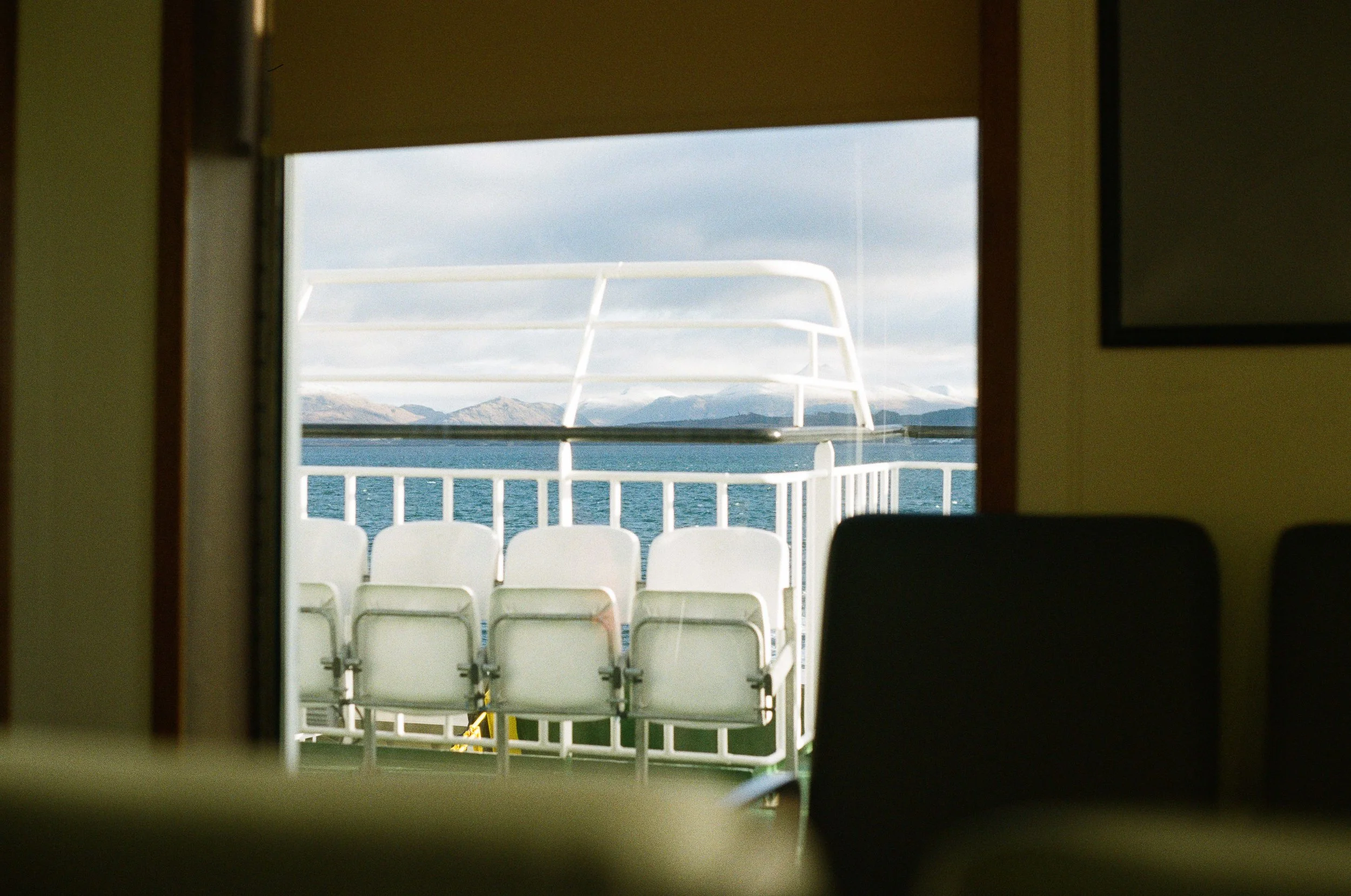


design for return
Going from place to pilgrimage.

If you have somewhere special, with landscape, beauty and heritage, but you're not sure how to translate that into interiors, a story and an online presence that:
commands much higher nightly rates
gets represented by the right agents and seen in the right places
converts to online discoverability and direct bookings
builds a loyal following that talks about it and comes back
We can help. We take a strategic approach to interiors, brand and discoverability, treating them all as one lean, aligned method. Whether you're growing a hospitality business or letting out a much-loved second home for the first time, we help you get it ready, and get it in front of the guests who'll genuinely value what it offers in this new era of travel.
We do this by drawing out what makes it distinctive: the story, the heritage, the architecture, the particular landscape it sits within. Then we make sure that comes across clearly everywhere it matters: in how it's told, in aligned press and partnerships, with any agents or representatives, and in the AI-powered travel planning tools guests increasingly use to find places to stay.
Places are richer than any brand. The new era of travel belongs to meaning-seekers, and what we do is draw out a place's own textures and fragments and build them into a point of view, unique and defensible, online and in real life. We're one agency, looking strategically across your business for the highest-impact investments in interiors, marketing and online discoverability.
For places already operating, or about to, where the goal is performance — occupancy, rate, and long-term return.
For owners with a special second home who want it represented properly — not flattened into a generic listing and shared only with the most suitable guests.

Borradill, SCOTLAND
This property began as two underperforming cabins on 25 acres above Loch Sunart on the Ardnamurchan Peninsula. We turned it around to;
Within the first year, occupancy moved from 30% to 72%
Weekly rates increased by 120%
65% direct bookings.
OUR PROOF
The landscape was extraordinary. The commercial performance wasn't.
What Borradill needed was a total repositioning for a target market of nature starved urban dwellers. It needed to understand what it was, who it was for, and what story it was telling, then build every physical and commercial decision around those answers.That story turned out to be the land itself. Guests forage and sea-trek on the same ground the cabins sit on, tailored by local partners and woven into the property's own identity rather than listed as a nearby activity. That is what Design for Return does: new interiors, a clear identity, a visual world built from what was already there.
The work sold the place directly, without external PR or paid media.
Within the first year, occupancy moved from 30% to 72%. Weekly rates increased by 120%. 65% direct bookings.
Borradill was named in the Financial Times' Top 40 places to holiday in 2025, and featured in The Times, The Telegraph, The Guardian and Homes & Interiors.
The methodology is the same one we bring to every project.
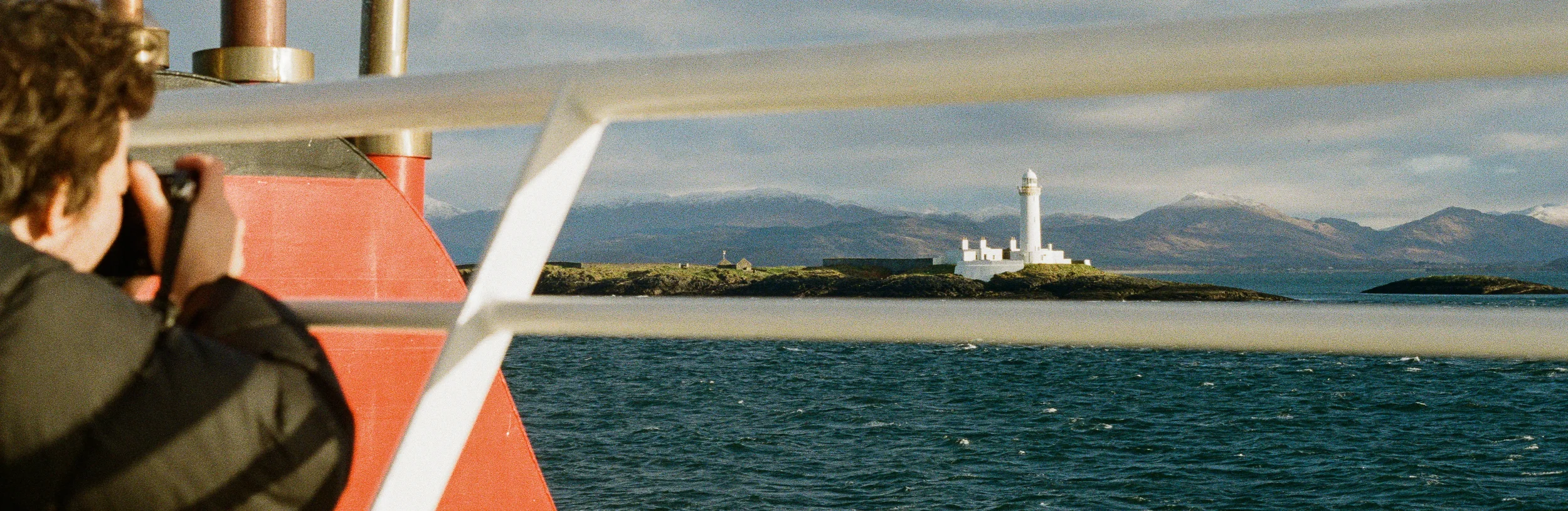
About CLAIRE
"I don't just think about how a space looks – I think about how it performs: how it attracts, how it prompts, how it retains, how it earns"
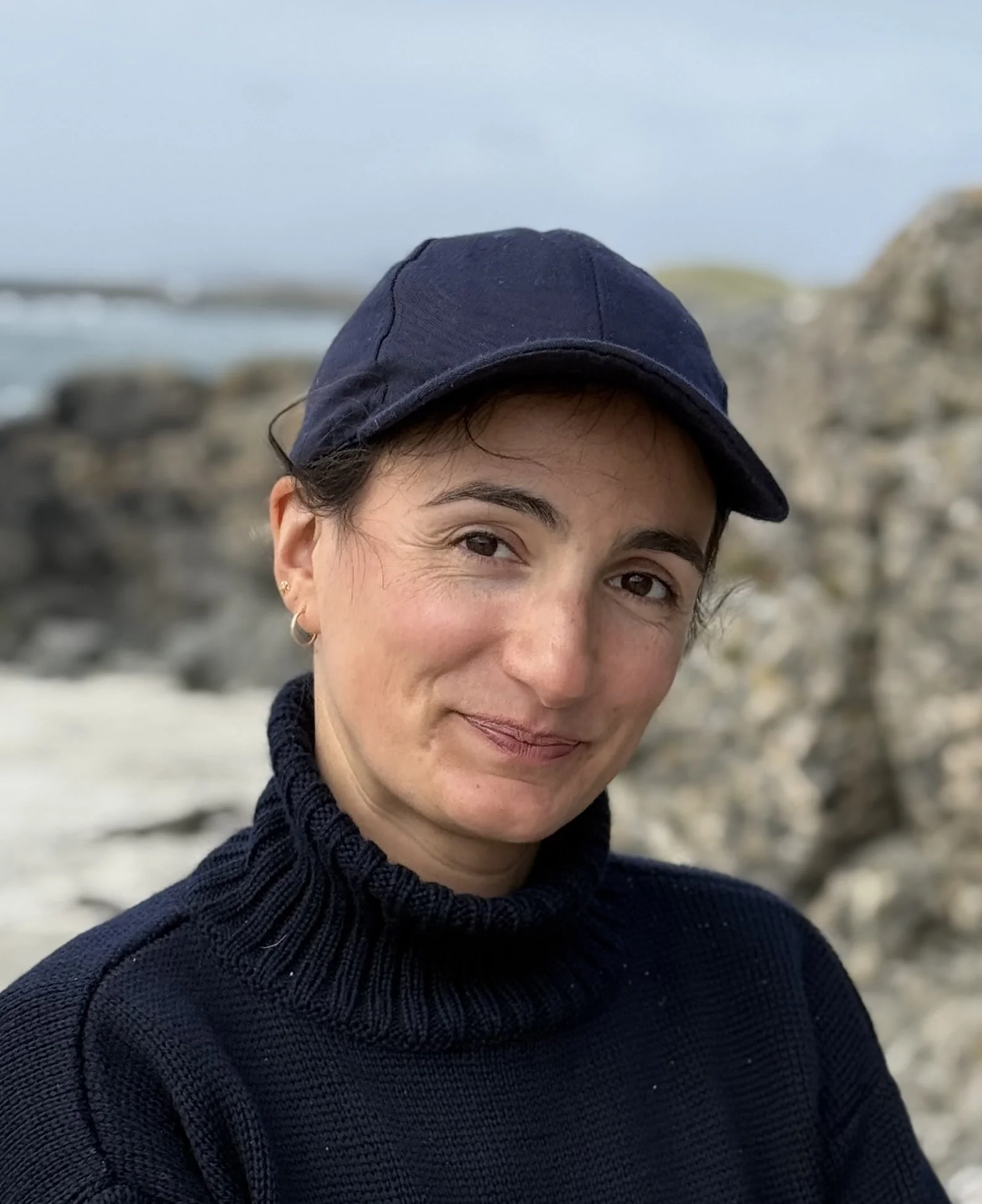
Most spaces are designed for appearance. Claire designs for behaviour.
For 20 years that idea has run through everything she has built and advised on. At Gehl Architects in Copenhagen she worked on international city strategies. As Head of Design at Future Cities Catapult, joining as employee number seven and helping grow the organisation to over 150 people, the work was featured in Dezeen, the Guardian and the V&A. As a Built Environment Expert on the Design Council's CABE review panels, it played out at policy level. In 2016 she founded Mookerjee, a BIID accredited interior design agency bringing that same rigour to individual places, with work shortlisted for the Mix Interiors Awards in the hotel category. She holds an MSc in City Design and Sociology from the London School of Economics and a First Class BA in Fine Art from the University of the Arts London.
Borradill is where the methodology was tested. A luxury cabins business on the Scottish coast, named in the FT's Top 40 places to holiday. Occupancy from 30% to 72%. Rates up 120%. 76% of bookings direct. Those results came from treating design, discoverability and commercial strategy as one decision. That methodology is Design for Return.







The Design For Return method
Design for Return is not a one-off refurbishment or rebrand. It's a method that assesses your place over time, identifying the targeted investments that get it working harder for you, in every dimension that matters. A strategic design method for places, Claire combines interiors, storytelling and a real understanding of the commercial and practical realities of running holiday properties — including the shifting dynamics of guest travel preferences and the online marketplace.
Return here is human and financial at once. The method uncovers the interventions most likely to pay off — not just in revenue, but in how well a small business supports the lifestyle it's supposed to have created.
For investors and owners in the holiday and hospitality space.