
The ‘Design for Return’ Audit
A focused, paid engagement in which Claire assesses a holiday let or proposed hospitality project against her Design for Return framework — and delivers a clear, honest diagnosis of its physical, creative and marketing potential and ‘fit’ in the current, and near future booking and commercial landscape.
It works for three types of client:
The RightMovers; The due diligence tool
Aspiring buyers who have a specific property in their sights and want honest, expert assessment before they commit — not just gut feel, but a structured view of commercial viability, design potential and market fit.
The Diversifiers; A feasibility read
Estates, farms and landowners at the point of asking 'what could this become?' — who want rigorous commercial thinking alongside design and market instinct, not just a generic feasibility report.
The Growers; A performance review
Owners and investors who sense their property is worth more than the returns it's generating — and want an independent, experienced eye to tell them what to change and where to invest.
The audit is delivered as a structured written report within two weeks of an initial site visit or video consultation.
To find out if this is the right fit, arrange a no-obligation call with Claire.

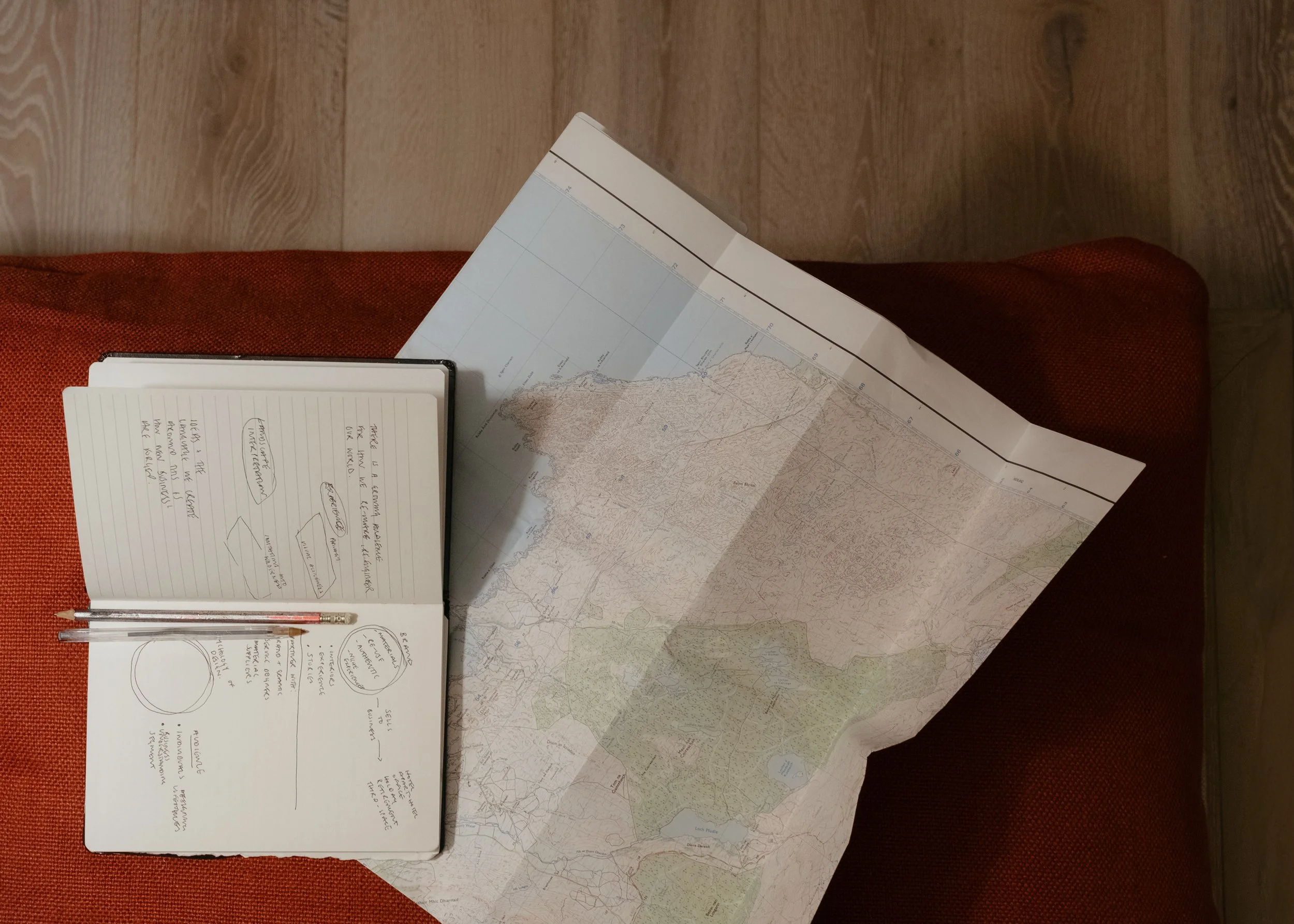
THE ‘design for return’ method
End-to-end creative direction for hospitality projects. Interiors, brand, guest experience, and commercial strategy brought together under a single vision — because a place that's completely itself is the one guests come back to. This method brings five lenses to every project:
Identity Does the place have a clear, ownable point of view? Not a mood board — a genuine character, specific enough to be recognisable and coherent enough to sustain across every touchpoint: from listing to arrival to what guests do whilst they're there. Most holiday lets have aesthetics without identity: things that look nice in photographs but don't add up to anything a guest could describe to a friend. A clear POV is critical to escaping the tyranny of the booking platforms and building a sustainable base of direct bookings.
Identity is the foundation on which everything else is built. It shapes how a property connects to its landscape, its locality, and the guests seeking that kind of experience. It also determines how discoverable the property is to the AI travel planning tools that increasingly surface results based on specificity and geography.
Commercial Configuration Is the property configured to perform across the full year? This lens looks at the commercial architecture: market positioning, rate integrity, shoulder season performance, and whether the physical configuration — units, shared space, cluster potential — is being used to its advantage.
Design and commercial strategy are not separate disciplines in this method. The decisions that shape a space also shape a revenue model. Getting them right together from the beginning compounds quickly — including the technology stack, SEO, and the search terms that connect the right guests to the right property.
Guest Experience Guests are buying experiences, not beds for the night. The guest experience is not a list of amenities. It is the cumulative feeling of a stay: the sequence of small encounters between a person and a place, each one either reinforcing or eroding the story the property is trying to tell. It includes access to local experiences — delivered by other operators, but curated and presented to align with the property's own identity.
The full arc is assessed — from the first image in a listing to the moment guests leave — gaps identified, and what closing them is worth established. The most valuable interventions are rarely the most expensive. They are usually the most considered.
Materiality Do the materials, palette, and objects feel rooted in place — or imported and disposable? A place furnished from a catalogue, however well-chosen the pieces, does not feel inevitable. A place built from materials that belong to its landscape and history does.
Materiality is not about expense. It is about intention — the difference between a decision and a purchase. Getting it right is the most reliable way to create the feeling that a property could not exist anywhere else.
Storytelling Does the listing, website, and social presence do justice to the physical reality? A place can be extraordinary and invisible. The story it tells about itself determines who finds it, who books it, what they pay, and whether they return.
This lens assesses not just the quality of the content but its coherence — whether images, language, and channels are all telling the same story to the right people. A narrative strong enough to travel independently of the algorithm is one of the most durable commercial assets a hospitality property can have.
The Design for Return method is available at three levels of depth and engagement.
Get in touch to find out which is right for your project.
investors
The holiday and retreat sector is in the middle of a significant repricing — and the properties pulling away are the ones where design, identity and commercial strategy were built together from the start, not bolted on afterwards.
If you're developing lifestyle assets — at any scale, from a single property to a portfolio — and want a creative partner who understands both the design and the return, get in touch.
Let’s talk.
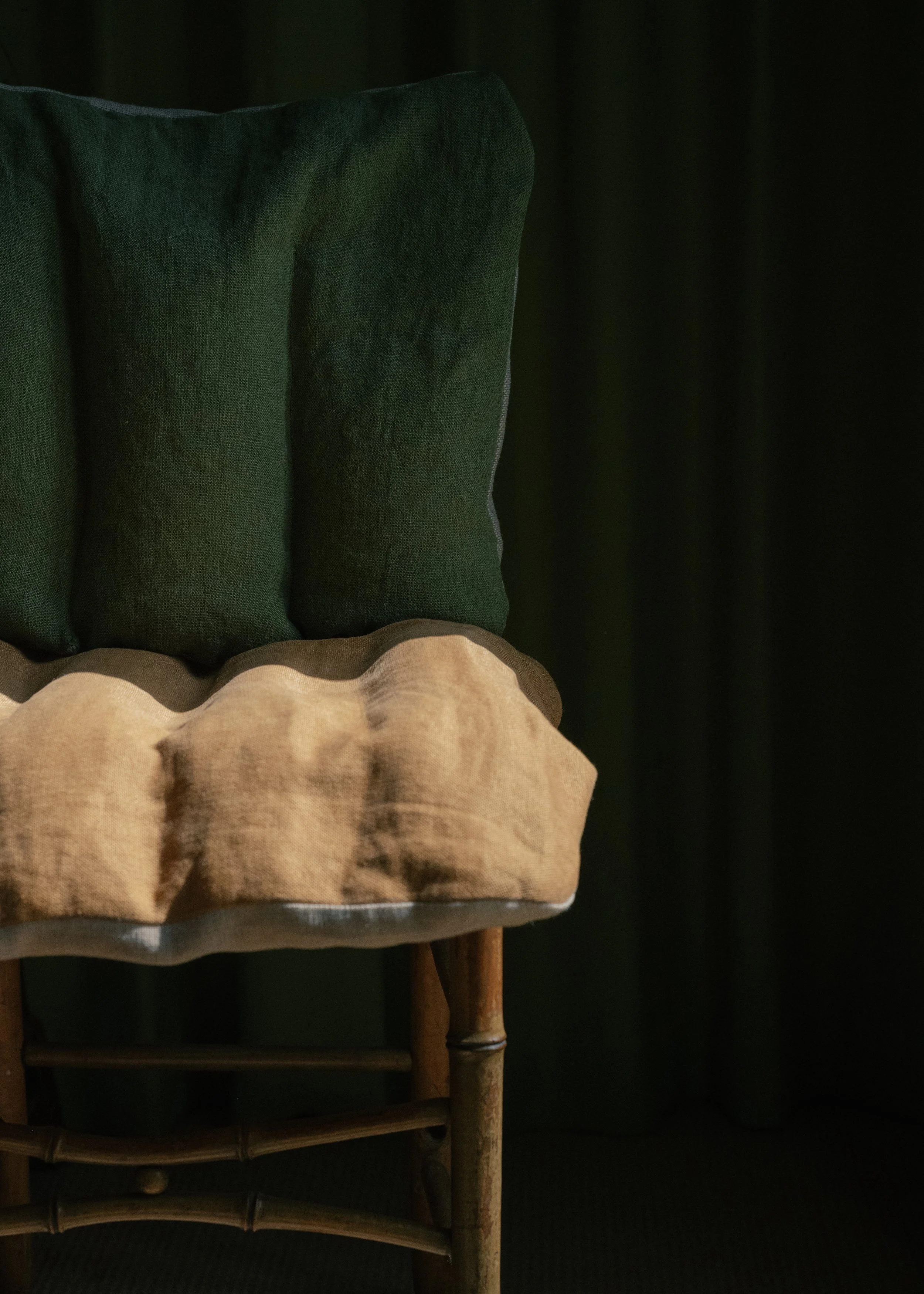
Some of the most unique and interesting things happening in hospitality and design right now begin with an unexpected collaboration — a brand, a place, a creative, and a story that neither could have told alone.
We work with brands seeking meaningful presence in the real places and who want to create brand immersive experiences or campaigns.
We work with property owners looking to create places of creative or natural-world pilgrimage. Legacy projects whose meaning and story goes far beyond that of a typical second home or hospitality project.
Claire can only take on on a couple of pilgrimage projects per year. Get in touch if you have an idea you want to discuss
pilgrimage projects
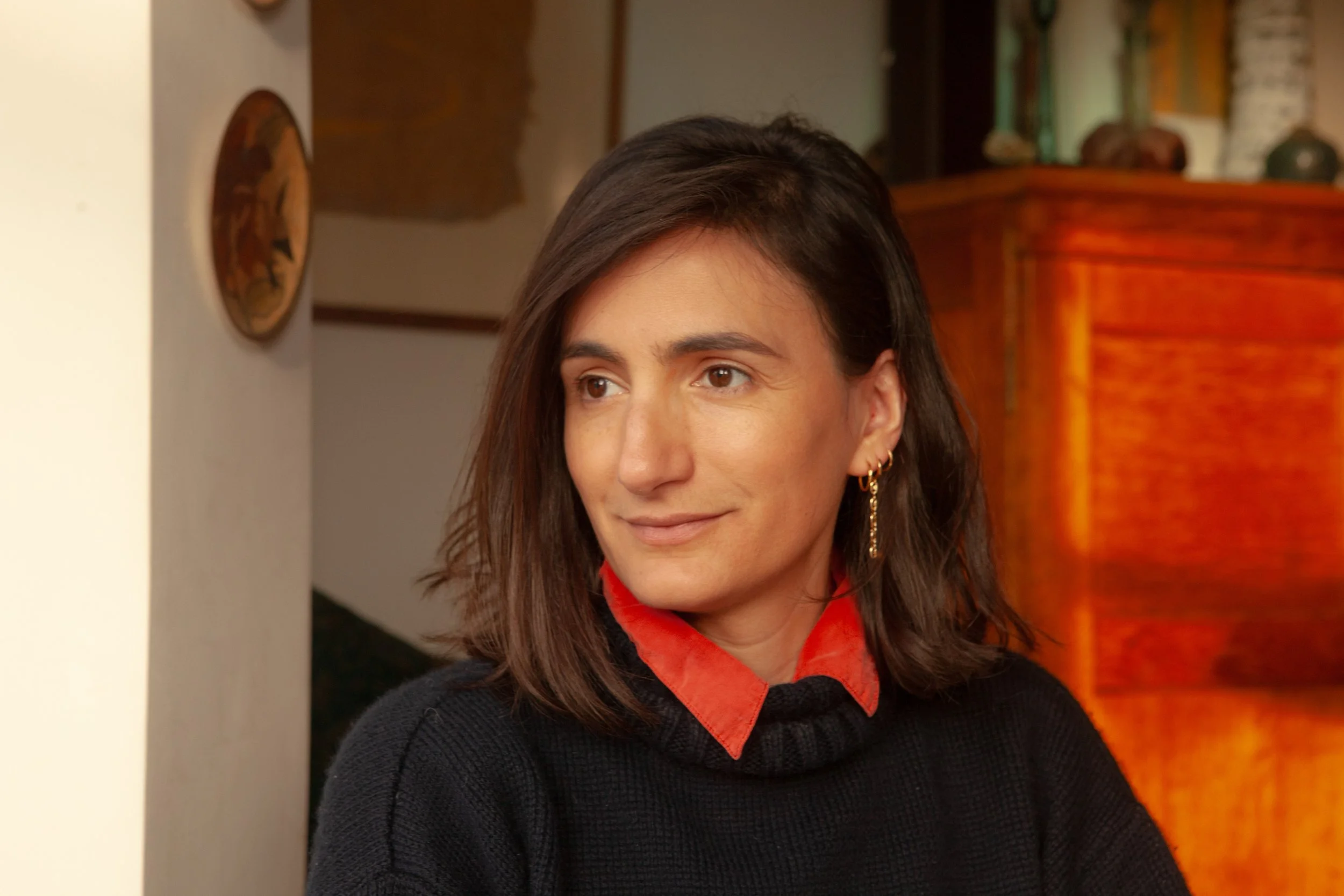
Claire Mookerjee is the founder of MOOKERJEE, a London-based agency specialising in creative direction for hospitality and leisure, and the creator of Borradill — a luxury retreat on the Ardnamurchan Peninsula in the Scottish Highlands, built from scratch on twenty-five acres above Loch Sunart.
Borradill has been featured in the FT Weekend, The Guardian, Remodelista, and Homes and Interiors Scotland, and was shortlisted for two Mix Interiors Awards in 2025. It is the project from which her ‘Design for Return’ method was born — a live demonstrator of the methodology, the philosophy, and the argument.
The approach balances design aesthetics with commercial insight - always looking for the direct ROI on any investment across interiors, online, and marketing and any new offerings.
She is also the founder of Atlantic Guild, a newsletter and growing resource for founders, investors and creative professionals building seriously in lifestyle hospitality and rural property — described by its readers as the most useful and clear-eyed resource available in this space.
Claire leads every project as Creative Director and around each project she assembles a small, senior team drawn from a trusted network built over two decades across interiors, brand, photography, hospitality strategy, and digital storytelling.
Expertise is brought in where it adds value, not carried as overhead. The result is a focused, non-formulaic process — and a level of senior attention that larger agencies rarely deliver.